AFFF vs FFFP vs AR-AFFF: Which Foam Fits?
Choosing the right foam concentrate depends on the fuel risk, system design, and storage conditions. Correct sealing, temperature control, and regular testing help preserve performance.
Choosing the right foam concentrate depends on the fuel risk, system design, and storage conditions. Correct sealing, temperature control, and regular testing help preserve performance.
Choosing the right fire suppression foam depends on the fuel hazard, regulatory exposure, and whether PFAS-free performance is a priority. For many facilities, the decision now hinges on safety, compliance, and long-term environmental responsibility.
Struggling with AFFF vs FFFP vs AR-AFFF which is best? AR-AFFF stands out with its polymeric membrane that shields against polar solvents like ethanol and acetone, ensuring reliable fire suppression in high-risk facilities.
AFFF vs FFFP vs AR-AFFF: Which Foam for Polar Fires? Read More »
Confused about **AFFF vs FFFP vs AR-AFFF which** suits your fire safety needs? Kinde Fire breaks down these foams for petroleum and aviation fires, highlighting AFFF’s rapid knockdown at 3% and 6% concentrations.
AFFF vs FFFP vs AR-AFFF: Which Foam for Your Facility? Read More »
Confused about AFFF vs FFFP vs AR-AFFF? This guide breaks down their unique strengths for hydrocarbon and polar solvent fires, helping you choose the right foam for ultimate safety. Protect your facility with expert insights from Kinde Fire.
AFFF vs FFFP vs AR-AFFF: Which Foam for Your Facility? Read More »
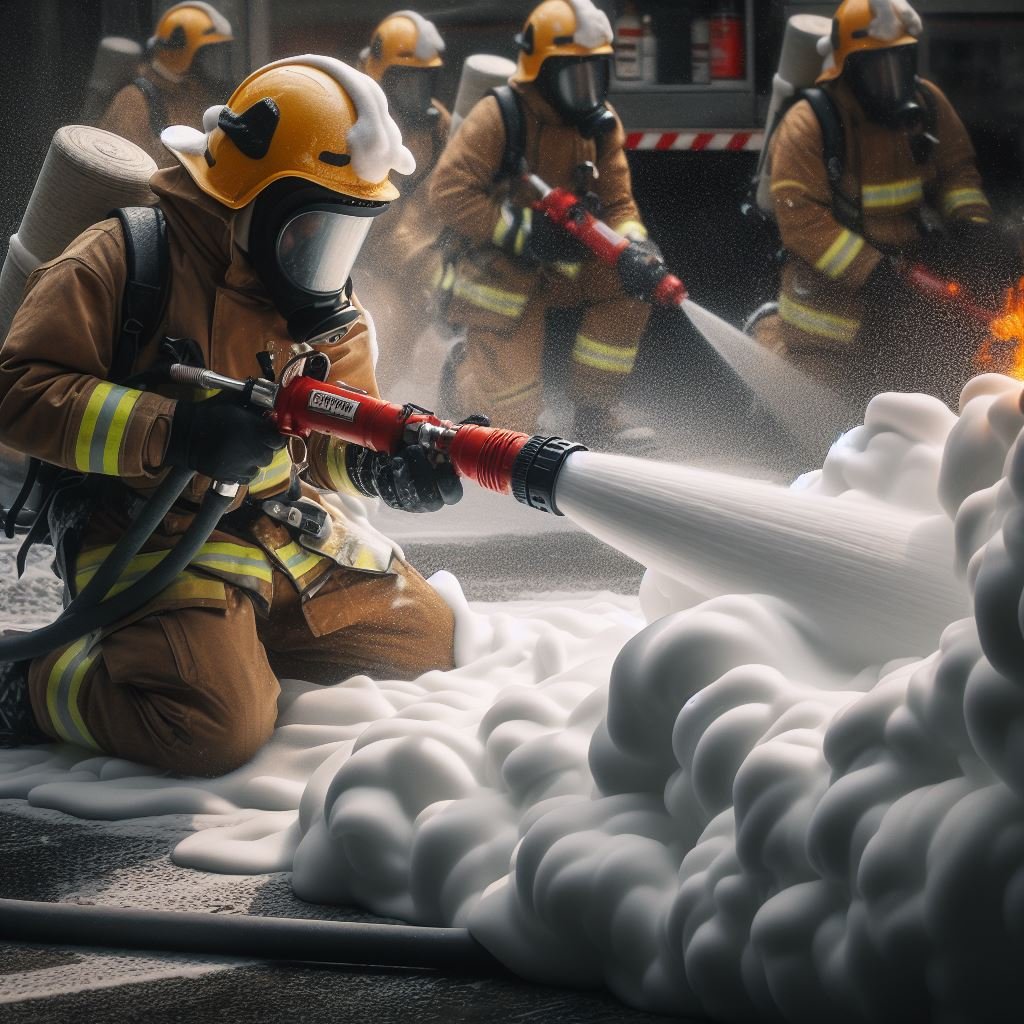
This subtopic explores foam concentrate types—AFFF, FFFP, and AR-AFFF—compatible with mobile foam units for effective fire suppression in industrial settings. Learn how each type addresses specific fire risks like petroleum and polar solvents.
What is a Mobile Foam Unit? AFFF, FFFP, AR-AFFF Guide Read More »