Fire Fighting Foam Making Equipment
Complete range of Foam Inductors, Low & Medium Expansion Generators, High Expansion Generators, Foam Skids, and Mobile Foam Trolleys. Precision-engineered for refineries, tank farms, ports, and warehouses. Exported to 26+ countries.
Product Photos
in src=""
in src=""
in src=""
in src=""
Fire Fighting Foam Making Equipment
Complete range of foam induction, generation, and storage systems — engineered for refineries, tank farms, ports, warehouses, and offshore platforms.

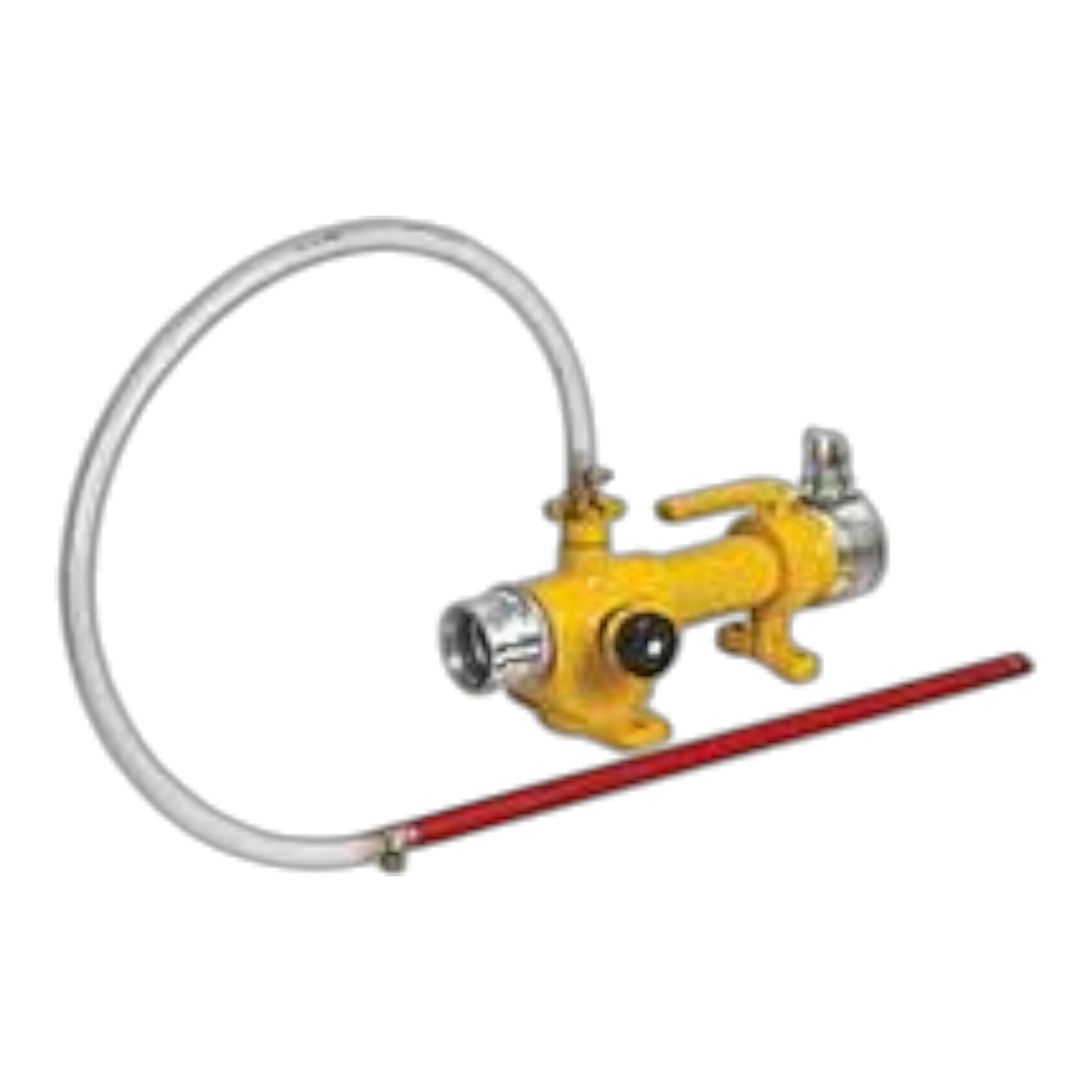
Inline Foam Inductor (Educator)
Variable inline inductor with pickup tube. Proportions foam concentrate at 1% to 6% into the waterline — no external power needed.
Medium Expansion Foam Generator
High-volume foam generator for dyke and bund wall protection. Generates a thick foam blanket at expansion ratios of 1:20 to 1:200.
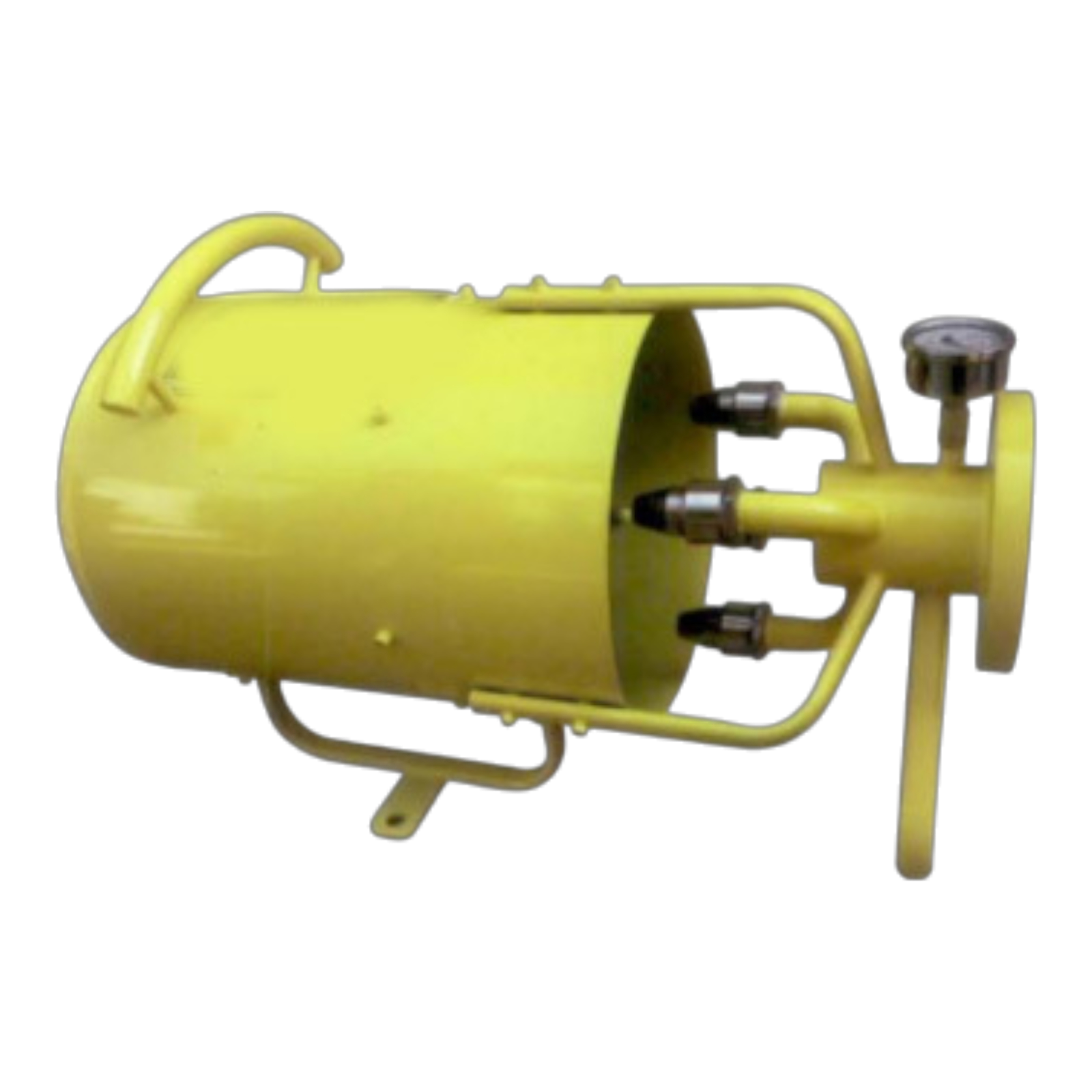
Low Expansion Foam Generator
Fixed mount top-pour foam generator for floating roof tanks and loading gantries. Flanged ANSI/DIN connections for easy integration.
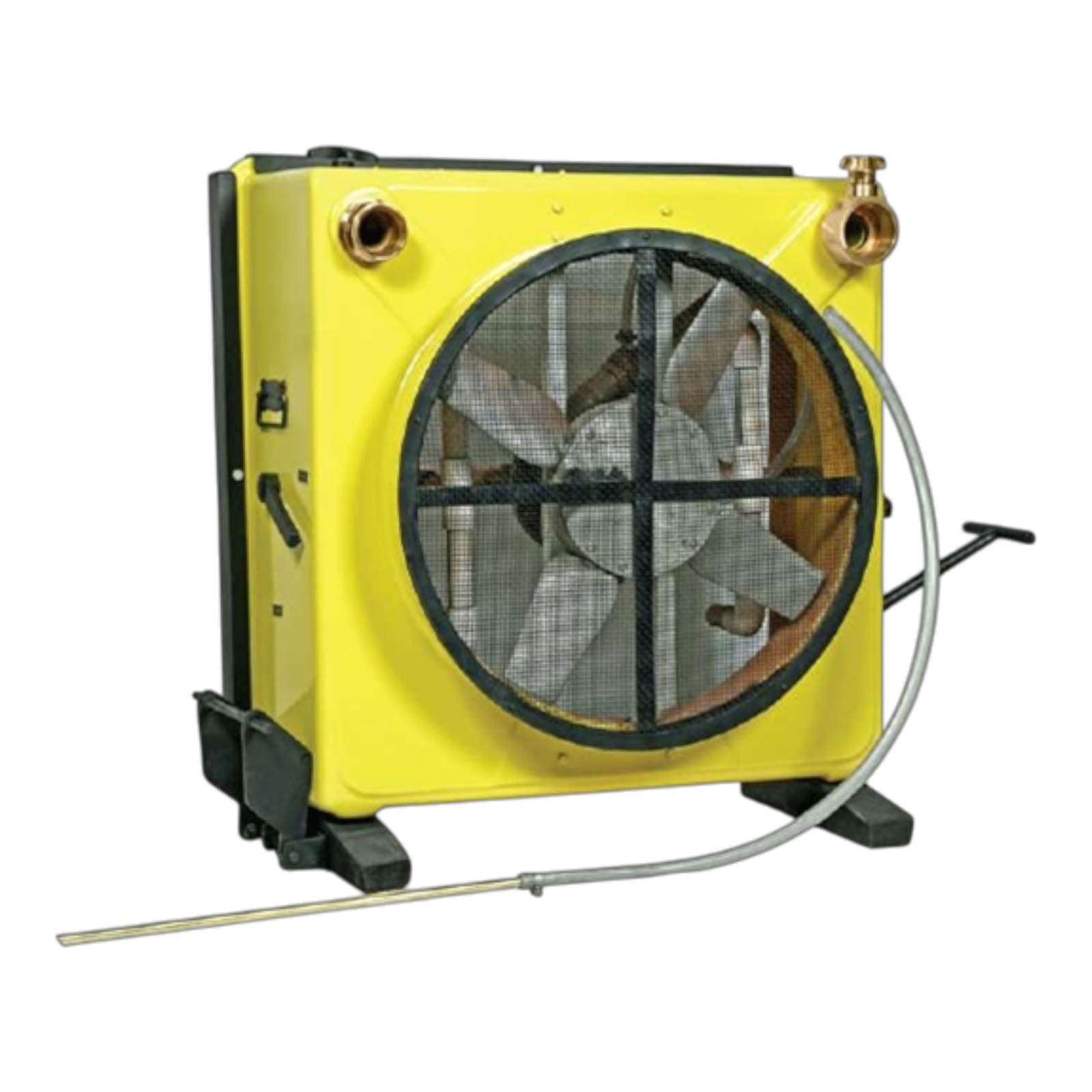
High Expansion Foam Generator
Floods warehouses, hangars, and ship holds rapidly with massive foam volumes. Water turbine powered — no electricity required.
Foam Tank & Skid System
Pre-piped foam storage and pumping skid with tank, foam pump, valves, and control panel on a common base frame. Fully factory tested.
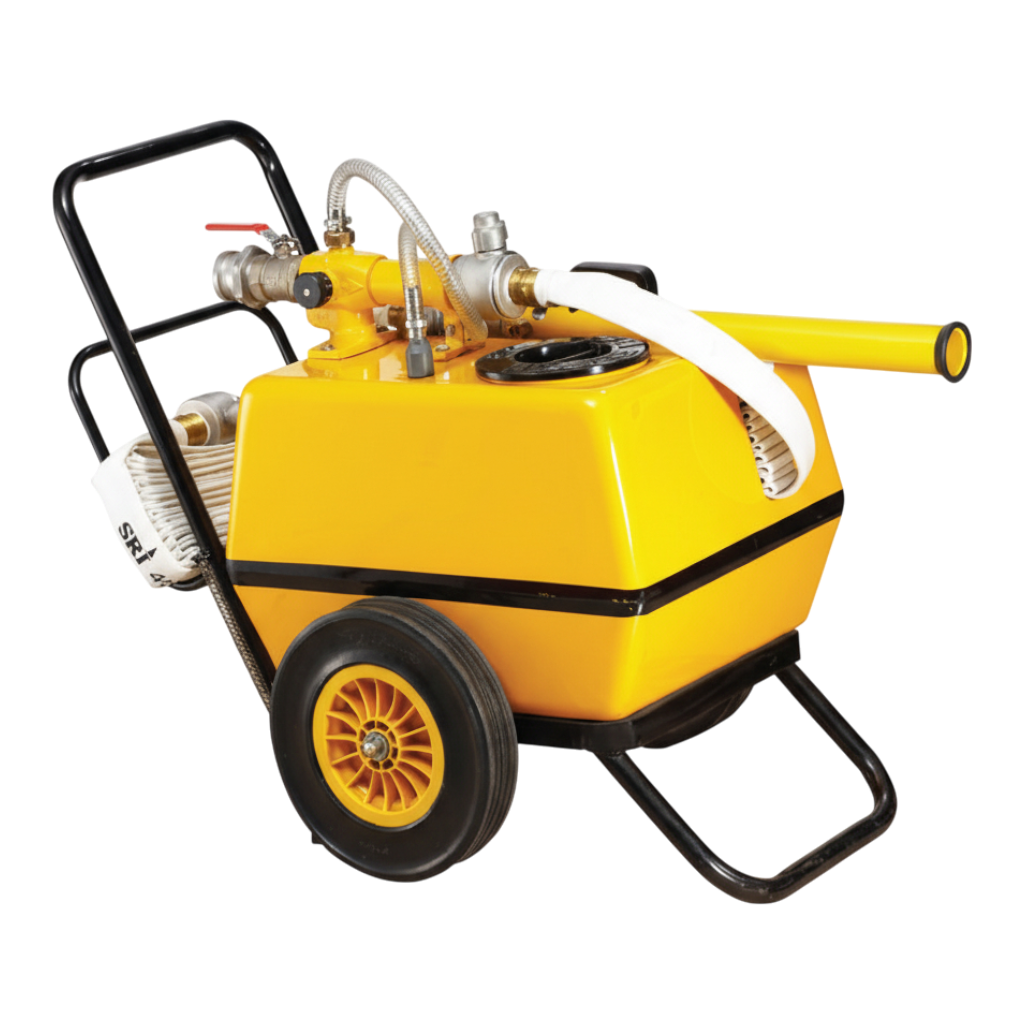
Mobile Foam Unit — Trolley (MFA)
Self-contained mobile foam trolley with FRP/SS tank, inline inductor, 15m hose, and FB nozzle. Ideal for rapid response in oil depots and terminals.
Foam Concentrate (AFFF / AR-AFFF)
Aqueous Film Forming Foam (AFFF) and Alcohol Resistant (AR-AFFF) concentrates at 1%, 3%, and 6% proportioning ratios. Supplied in 25L / 200L drums.
Why Choose Kinde Fire?
Trusted by EPC contractors, civil defence units, and refinery operators across 26+ countries for precision-engineered foam equipment.
Direct Manufacturer
No middlemen. Every unit manufactured in-house at our Bharuch facility — giving you factory pricing and full quality control.
Custom Flow Rates & Materials
Standard or custom flow rates from 225 to 2000 LPM. MS, SS304, SS316, Gunmetal — matched to your site's corrosion and pressure requirements.
IS / CE / UL Compliant
All products manufactured to IS, CE, and UL standards. MTC (Material Test Certificates) and factory test reports provided with every shipment.
Export-Ready Packaging
Sea-worthy wooden crates, fumigation certificates, and full export documentation for GCC, Africa, and South-East Asia destinations.
Fast Dispatch — 7–14 Days
Ready stock for standard models. Custom fabricated units dispatched within 14–21 working days from order confirmation.
Technical Support Included
Pre-sale sizing assistance, installation guidance, and post-sale troubleshooting via WhatsApp and email — at no extra cost.
Global Export Footprint
Kinde Fire foam equipment is trusted by refineries, ports, civil defence units, and EPC contractors across six regions worldwide.
🌙 Middle East & GCC
6 Countries🌍 Africa
6 Countries🌏 Asia Pacific
6 Countries🌐 South Asia & Others
8+ CountriesExport-Ready from Ahmedabad, Gujarat — Port of JNPT / Mundra
All foam equipment shipments include sea-worthy packaging, fumigation certificates, packing lists, commercial invoices, and CE/IS test reports. Custom labelling and documentation for GCC, African, and South-East Asian import requirements available on request. Contact us at info@mobilefoamunit.in or +91 81418 99444.
Troubleshooting & FAQ
Expert answers to 20+ real-world field issues — covering Inductors, Foam Generators, Skid Systems, Foam Concentrates, and Maintenance. Tagged by product and geography.
💧 Inline Foam Inductors (Educators)
5 QuestionsRoot Cause: The most common reason is excessive back pressure or insufficient inlet pressure. An inductor works on the Venturi principle — if back pressure (from hose length, elevation, or nozzle resistance) exceeds 65% of inlet pressure, the inductor stops picking up concentrate entirely.
Fix: Ensure inlet pressure is at least 7 Bar (100 PSI). Verify that the total back pressure from the discharge hose and nozzle does not exceed 65% of inlet pressure. Shorten the hose run, use 2½″ hose to reduce friction loss, or switch to a lower-pressure nozzle. Also confirm the pickup tube is submerged at least 150mm into the concentrate tank and not more than 1.8m below the inductor.
Root Cause: Air leak in the pickup tube, a stuck ball check valve, or a partially blocked pickup strainer.
Fix: Inspect the pickup tube for cracks, pinhole punctures, or loose connections at the inductor body. Confirm the ball check valve at the bottom of the pickup tube moves freely — dried AFFF concentrate can gum it shut. Flush with water to clear. Ensure the concentrate container is sealed and not drawing air from an exposed port.
Root Cause: Incorrect metering valve setting, clogged orifice, or concentrate viscosity mismatch.
Fix: Verify the metering knob is set to the correct percentage (1%, 3%, or 6%) matching your concentrate. If using Alcohol Resistant AR-AFFF, the higher viscosity requires a larger bore pickup tube — a standard 8mm tube will starve the flow. Also confirm the nozzle flow rating matches the inductor's rated flow; mismatched nozzle reduces pick-up efficiency significantly.
Answer: Yes, the same inductor body can be used — but the pickup tube size must match the viscosity of the concentrate. Standard AFFF (thin, water-like) works fine with a 8–10mm tube. AR-AFFF (thick, gel-like) requires a 12–16mm pickup tube. Always flush the inductor and pickup tube thoroughly with clean water when switching concentrate types to prevent cross-contamination.
Answer: Maximum pickup depth is 1.8 metres (6 feet) below the inductor body — similar to how a centrifugal pump cannot draft beyond its NPSH limit. Beyond 1.8m, the suction created by the Venturi is insufficient to overcome the hydrostatic column. If your concentrate tank is mounted lower, use a small concentrate pump to supply the inductor instead of relying on suction lift.
🌊 Foam Generators (Med-Ex / Low-Ex / High-Ex)
6 QuestionsRoot Cause: Blocked air intake mesh. In dusty environments, coastal areas, or locations with insect activity (wasps, bees), the stainless steel aeration mesh clogs — starving the generator of the air volume needed for foam expansion.
Fix: Remove and clean the mesh with compressed air or a water jet. In high-dust areas (refineries, desert sites), schedule monthly mesh inspections. Also verify inlet pressure is within 3–7 Bar range; below 3 Bar the foam solution jet loses the velocity needed to aspirate adequate air through the mesh.
Root Cause: Pressure drop in the supply hose caused by heat-expanded hose diameter, or physical damage to the deflector plate inside the generator body.
Fix: In high-temperature Gulf environments, rubber hoses expand under heat reducing effective pressure at the generator. Measure pressure at the generator inlet (not pump outlet). Also inspect the deflector cone for cracks or impact damage — even a small deformation causes an asymmetric foam jet that collapses at range.
Root Cause: Incorrect mounting angle, undersized flow rate for tank diameter, or foam deflector board missing/damaged.
Fix: For fixed-roof tanks, the generator should be angled so foam runs gently along the tank shell wall — not dropped directly onto the burning liquid surface, which destroys the foam blanket on impact. Verify flow rate matches the tank's required application density (minimum 4 LPM/m² for Class B hydrocarbons as per NFPA 11). Fit a foam deflector plate if missing.
Root Cause: Insufficient water pressure at the generator inlet, blocked aeration screen, or incorrect concentrate percentage.
Fix: High-Ex generators are pressure-sensitive — a drop from 5 Bar to 3 Bar can halve the foam output volume. Confirm steady pressure at the generator inlet. Clean the aeration screen (the large mesh net at the front) — this is the most common maintenance issue in warehouse and indoor installations where dust, cobwebs, and debris accumulate. Also ensure you are using a high-expansion-compatible 1.5% or 2% AFFF concentrate, not standard 3% or 6%.
Answer: High Expansion foam (ratio 1:200 to 1:1000) is extremely light and wind-sensitive — even a gentle breeze of 3–5 m/s can carry the foam away from the hazard. High-Ex generators are best suited for enclosed or semi-enclosed spaces: warehouses, hangars, ship holds, and cable tunnels. For outdoor bund protection and tank farms, Medium Expansion (1:20 to 1:200) or Low Expansion (1:6 to 1:12) generators are the correct choice.
Medium Expansion Generator: Optimal operating pressure is 3–7 Bar at the inlet. Below 3 Bar, expansion ratio drops significantly and foam becomes wet and heavy.
Low Expansion Generator: Typically requires 3.5–8.6 Bar depending on the model and flow rate. Fixed-mount flanged units used on tank farms should have a dedicated pressure-regulated supply line to ensure consistent foam solution delivery regardless of fire pump fluctuations.
⚙️ Foam Skid Systems & Pumps
4 QuestionsRoot Cause: In hot climates (UAE, Saudi Arabia — ambient 40–50°C), foam concentrate viscosity changes and vapor pressure increases, making the pump susceptible to cavitation. Other causes include clogged suction strainer, closed or partially open suction valve, or excessive suction lift.
Fix: Inspect and clean the suction strainer — sludge from evaporated or degraded concentrate is the most common culprit in Gulf installations. Ensure the suction valve is fully open. Measure suction-side pressure and compare against the pump's NPSHr. If suction lift exceeds 3m in hot conditions, fit a suction booster or relocate the pump closer to the concentrate tank. Long-term pitting of the impeller caused by cavitation requires impeller replacement.
Root Cause: Thermal cycling failure. Outdoor MS tanks exposed to intense solar radiation experience daily temperature swings of 30–50°C. Standard epoxy linings expand and contract at different rates than the steel shell — leading to delamination within 3–5 years.
Fix: For outdoor installations in hot climates, specify SS304 or SS316 tanks — they eliminate the coating requirement entirely. If MS tanks are already installed, apply a heat-resistant tank lining rated to 80°C minimum and add an insulation jacket or shade canopy. Inspect inner lining annually and replace contaminated concentrate immediately — flaking epoxy renders the foam ineffective.
Root Cause: Air lock in the discharge pipework, closed isolation valve, or a failed non-return valve (NRV) allowing backflow.
Fix: Open the highest vent point in the system to bleed trapped air from the discharge pipework — air locks are common after annual maintenance shutdowns. Walk the entire pipe route and confirm all isolation valves are in the open position. Inspect the NRV on the pump discharge — a stuck-open NRV allows the concentrate to drain back into the tank instead of reaching the proportioner. Replace if faulty.
Indoor / Mild Climate: MS (Mild Steel) with a high-quality epoxy lining is acceptable for indoor installations in temperate climates. Lower cost, widely available.
Outdoor / Coastal / Gulf: Specify SS304 minimum. Coastal and marine environments accelerate MS corrosion, and the concentrate itself is mildly corrosive to unlined steel. SS316 is recommended for offshore platforms, marine applications, and desalination plant sites. FRP (Fibreglass) tanks are a lightweight, corrosion-proof alternative for mobile trolley units.
🧴 Foam Concentrate (AFFF / AR-AFFF)
3 QuestionsUnopened sealed drums: AFFF concentrate stored in original, sealed containers in a cool, dry location away from direct sunlight has a shelf life of 10–20 years. Properly stored AFFF has been proven stable for 30+ years in some documented cases.
Opened containers: Shelf life is significantly reduced once opened. Exposure to moisture, contamination, or temperature extremes accelerates degradation. As per NFPA 11 and BS EN 13565-2, foam concentrates in storage should be tested at least annually regardless of age. Store between 2°C and 35°C, away from direct sunlight. Contact us at info@mobilefoamunit.in to source AFFF / AR-AFFF concentrate in 25L or 200L drums.
AFFF 3% is proportioned at 3 parts concentrate to 97 parts water — it is more concentrated and requires a smaller tank volume for the same fire coverage. Preferred for most industrial installations where tank space is limited.
AFFF 6% is less concentrated — requires twice the tank volume for equivalent protection but is lower cost per litre. Suitable for large fixed-tank farms where storage space is not a constraint. Important: Never swap 3% concentrate into a system sized and calibrated for 6% without recalibrating the proportioner — you will under-proportion and the foam will fail to suppress the fire.
Use AR-AFFF (Alcohol Resistant) when the hazard involves polar solvents — alcohols, ketones, esters, acetone, IPA, or ethanol. Standard AFFF concentrate is broken down almost instantly by polar solvents, making it ineffective. AR-AFFF forms a polymer membrane over the solvent surface that resists dissolution.
Use standard AFFF for hydrocarbon fires — petrol, diesel, crude oil, jet fuel, LPG, and similar non-polar fuels. AR-AFFF also works on hydrocarbons but is significantly more expensive. For mixed-hazard sites (pharmaceutical, chemical, refinery) storing both hydrocarbons and alcohols, AR-AFFF is the safer single-concentrate choice for the entire system.
🔧 Maintenance & Inspection Schedule
4 QuestionsMonthly: Visual inspection of all hoses, valves, couplings, and storage tanks for leaks, corrosion, or physical damage. Check foam concentrate level in the tank. Verify all isolation valves are in the correct (open/closed) position.
Quarterly: Operate the foam pump for 5 minutes on recirculation. Clean inductor and generator mesh screens with compressed air. Test the proportioner output by collecting a sample and checking foam conductivity or refractive index. Inspect pickup tubes and check valves.
Annually: Full operational discharge test — collect foam sample for laboratory analysis (NFPA 11 requirement). Grease pump motor bearings. Inspect tank lining. Replace any hoses showing cracking or stiffness. Recalibrate inductor metering valves. Pressure-test all pipework joints.
Step 1: Immediately after discharge, flush the entire system — inductors, generators, hoses, and nozzles — with clean fresh water for a minimum of 5 minutes. Foam concentrate residue dries into a sticky, corrosive film that seizes valves and blocks orifices if left.
Step 2: Flush the pickup tube and inductor body separately by submerging the tube in a bucket of clean water and running the inductor until clear water comes through. Step 3: Open all drain points in the pipework to remove trapped foam solution. Step 4: Refill the concentrate tank and reset all valves to operating position. Document the discharge in the maintenance log and arrange concentrate replenishment within 48 hours.
Concentrate: Keep in original sealed drums, stored horizontally or upright in a cool, covered area — target temperature 2°C to 35°C. Avoid direct sunlight and freezing. Sealed drums require no special treatment for 10+ years.
Equipment: Thoroughly flush and dry all inductors, generators, hoses, and pumps before long-term storage. Apply light grease to all thread connections and valve stems. Store stainless steel and gunmetal equipment in a dry indoor location. For galvanized or MS items, apply a light oil coat to prevent surface rust. Tag all equipment with the last inspection date and foam type used.
Warranty: All Kinde Fire foam equipment carries a 12-month manufacturing defect warranty from the date of dispatch. This covers material defects, fabrication faults, and premature corrosion of stainless steel components under normal operating conditions. Warranty excludes damage from incorrect installation, misuse, or chemical incompatibility.
After-Sales Support: Technical support is provided at no extra charge via WhatsApp (+91 81418 99444) and email (info@mobilefoamunit.in). We offer pre-sale system sizing assistance, installation guidance with drawings, and post-discharge troubleshooting — for both domestic India and export customers.
🔧 Didn't Find Your Answer?
Our technical team responds within 4 hours — WhatsApp or Email.
Ready to Equip Your Facility with Best Quality Foam Systems?
Get a detailed technical quote within 4 hours. Our team will help you select the right inductor, generator, or skid system for your exact flow rate, pressure, and site requirements.