FRP GRP Fire Extinguisher Cabinets: A Smart Choice for Modern Fire Protection
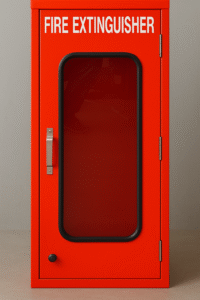
For safety officers, industrial buyers and fire fighting professionals, selecting the right FRP GRP fire extinguisher cabinets is critical to ensuring that extinguishers are protected, highly visible and instantly accessible during an emergency. Properly housed extinguishers are easier to locate, less prone to damage and more likely to perform as intended when every second counts.
As a specialist manufacturer based in Ahmedabad, Kinde Fire focuses on robust, maintenance‑friendly cabinet solutions that match the demands of industrial, commercial and infrastructure projects across India and beyond.
What Are FRP / GRP Fire Extinguisher Cabinets?
FRP (Fiberglass Reinforced Plastic) and GRP (Glass Reinforced Plastic) are composite materials made by reinforcing a polymer matrix with glass fibers. The result is a strong, lightweight, corrosion‑resistant material well suited for harsh industrial and outdoor environments.
FRP / GRP fire extinguisher cabinets are protective enclosures designed to:
- House one or more portable fire extinguishers safely
- Shield equipment from weather, dust, impact and corrosion
- Keep extinguishers clearly visible and quickly accessible
- Help facilities comply with fire safety and housekeeping norms
Fire extinguisher cabinets should be placed where people can easily see and reach them, typically near exits and escape routes and never blocked by objects or storage.[4]
Why Choose FRP / GRP Cabinets Over Metal?
While metal cabinets remain common, FRP / GRP fire extinguisher cabinets offer important performance and lifecycle advantages, especially in demanding environments such as chemical plants, coastal sites, marine facilities, utilities and infrastructure corridors.
1. Corrosion and Weather Resistance
- FRP / GRP does not rust, making it ideal for coastal, humid, or chemical‑laden atmospheres.
- Cabinets retain structural integrity and appearance even when exposed to rain, sunlight and fluctuating temperatures.
- Reduces frequent repainting and replacement associated with corroded metal cabinets.
2. Mechanical Strength and Impact Resistance
- Composite construction provides a high strength‑to‑weight ratio.
- Withstands accidental knocks from material handling equipment, tools or foot traffic.
- Protects extinguishers against physical damage that could compromise performance.[1]
3. Electrical Insulation and Safety
- FRP / GRP is a non‑conductive material, an advantage in electrical rooms, substations and data centers.
- Reduces the risk of electrical faults associated with conductive metal enclosures near energized equipment.
4. Lightweight and Easy to Install
- Significantly lighter than steel, simplifying handling and mounting on walls, columns or structures.
- Less load on building elements and easier retrofit in existing facilities.
5. Aesthetics and Branding
- Clean, smooth surfaces and consistent color for a professional appearance in corporate and public spaces.
- Can be color‑coded (typically red) and marked with clear “FIRE EXTINGUISHER” graphics and signage for quick identification.
6. Lower Lifecycle Cost
- Higher initial performance with reduced long‑term maintenance and replacement needs.
- Supports better asset reliability and compliance for safety officers managing large portfolios of equipment.
Key Design Features to Look For
When evaluating FRP / GRP fire extinguisher cabinets for industrial or commercial projects, professionals should focus on specific design elements that influence safety, usability and compliance.
1. Size and Capacity
- Cabinets must fit the specified extinguisher size (e.g., 4 kg, 6 kg, 9 kg, CO₂ types) with sufficient clearance for quick removal.
- Depending on layout, choose single, double or multi‑extinguisher configurations.
2. Visibility and Identification
- High‑contrast color (typically red) with clear markings and symbols.
- Transparent viewing window or inspection panel for checking extinguisher presence and gauge status without opening.[1]
3. Door and Hardware
- Sturdy hinged door with smooth opening and closing.
- Options for:
- Latch or lock (where security or tamper control is required)
- Break‑glass or quick‑release mechanisms for emergency access
- Corrosion‑resistant hardware (stainless steel or compatible materials) to match the FRP / GRP body.
4. Mounting and Installation
- Provision for surface or recessed mounting, depending on architecture and circulation needs.[2][4]
- Mounting height and projection should comply with local building and accessibility norms so that cabinets are easily reachable and not an obstruction.[6]
- Clear instructions and fixing points for secure anchoring to walls, columns or structural supports.
5. Environmental Protection
- Weather‑resistant seals or gaskets to limit ingress of dust, moisture and contaminants.
- UV‑stabilized FRP / GRP formulations for outdoor exposure.
6. Ergonomics and Human Factors
- Easy‑to‑grip handles and intuitive opening direction for stressed users during emergencies.
- Unobstructed path in front of the cabinet; safety guidance recommends maintaining a clear access zone to fire extinguishing equipment.[1][4]
Best Practices for Placement and Compliance
Even the best FRP / GRP fire extinguisher cabinets cannot compensate for poor planning. Correct placement, visibility and access are essential to effective fire response.
1. Strategic Location
- Install near exits, escape routes and high‑risk areas (electrical rooms, fuel storage, process equipment).[1][4]
- Ensure cabinets are along normal paths of travel and clearly visible from occupied areas.[1]
2. Accessibility and Clearance
- Maintain a clear access zone in front of the cabinet; avoid stacking materials, furniture or equipment that could block access.[1][4]
- In corridors and aisles, consider projection limits and accessibility requirements so cabinets do not create hazards for occupants.[6]
3. Integration with Fire Safety Plans
- Include cabinet locations on fire safety drawings and evacuation maps.
- Train staff on:
- Exact cabinet locations
- How to open and remove the extinguisher quickly
- PASS technique (Pull, Aim, Squeeze, Sweep) for extinguisher use[1]
4. Inspection and Maintenance
- Combine cabinet checks with regular extinguisher inspections.
- Inspect for:
- Physical damage, cracks or deformation of FRP / GRP surfaces
- Hardware corrosion or malfunction
- Door alignment and closing
- Legible labels and signage
- Verify that extinguishers inside are charged, in-date, and free of tampering.[1]
How FRP / GRP Cabinets Fit Into Kinde Fire’s Portfolio
Kinde Fire specializes in an integrated range of fire fighting equipment designed to support industrial, commercial and infrastructure safety strategies.
FRP / GRP Fire Extinguisher Cabinets
- Designed for single and multiple extinguisher configurations.
- Optimized for indoor plant areas, outdoor yards, refineries, terminals and utility corridors.
- Custom options to match project‑specific space, signage and mounting needs.
Complementary Fire Cabinets
- FRP Fire Hose Cabinets for housing hose reels, branch pipes and valves in corrosion‑prone environments.
- FRP Hose Reel Cabinets for fixed hose reel systems in commercial and industrial buildings.
Foam Equipment for High‑Hazard Protection
- Inline Inductor for fixed foam systems where consistent foam proportioning is essential.
- Inline Inductor with Variable Foam Induction for flexible response to different foam concentrate requirements.
- FRP Tank Mobile Foam Trolley – 100 Liters for rapid deployment of foam to flammable liquid fire risks.
Using Kinde Fire’s FRP / GRP fire extinguisher cabinets alongside hose, reel and foam solutions allows safety officers and fire fighting officers to build a unified, corrosion‑resistant, low‑maintenance fire protection infrastructure.
Selection Checklist for Safety Officers and Buyers
Before finalizing specifications or purchase orders, safety and procurement teams can use this quick checklist for FRP / GRP fire extinguisher cabinets:
- Environment Assessment
- Indoor, outdoor, coastal, chemical, or utility environment?
- Exposure to UV, moisture, corrosive vapors, or mechanical impact?
- Extinguisher Type and Size
- Dry chemical, CO₂, foam, clean agent, etc.
- Capacity and overall dimensions for proper fit and easy removal.
- Mounting and Layout
- Wall, column, or freestanding support?
- Required height and projection based on local codes and circulation.[4][6]
- Access Requirements
- Lockable vs. non‑lockable doors.
- Need for break‑glass or tamper seals.
- Visibility and Signage
- Color contrast, decals and directional signage.
- Viewing window for quick compliance checks.
- Integration with Other Fire Systems
- Compatibility with hose cabinets, foam equipment and hydrant points.
- Service and Support
- Availability of spares, replacement hardware and after‑sales support.
FAQs on FRP / GRP Fire Extinguisher Cabinets
1. Where should FRP / GRP fire extinguisher cabinets be installed?
Cabinets should be installed where extinguishers are clearly visible and easily reachable: near exits, along escape routes, and in high‑
We are looking for a project supply of fire extinguisher cabinets.